
What Mexican Día de los Muertos Can Teach Us About Keeping Love Alive
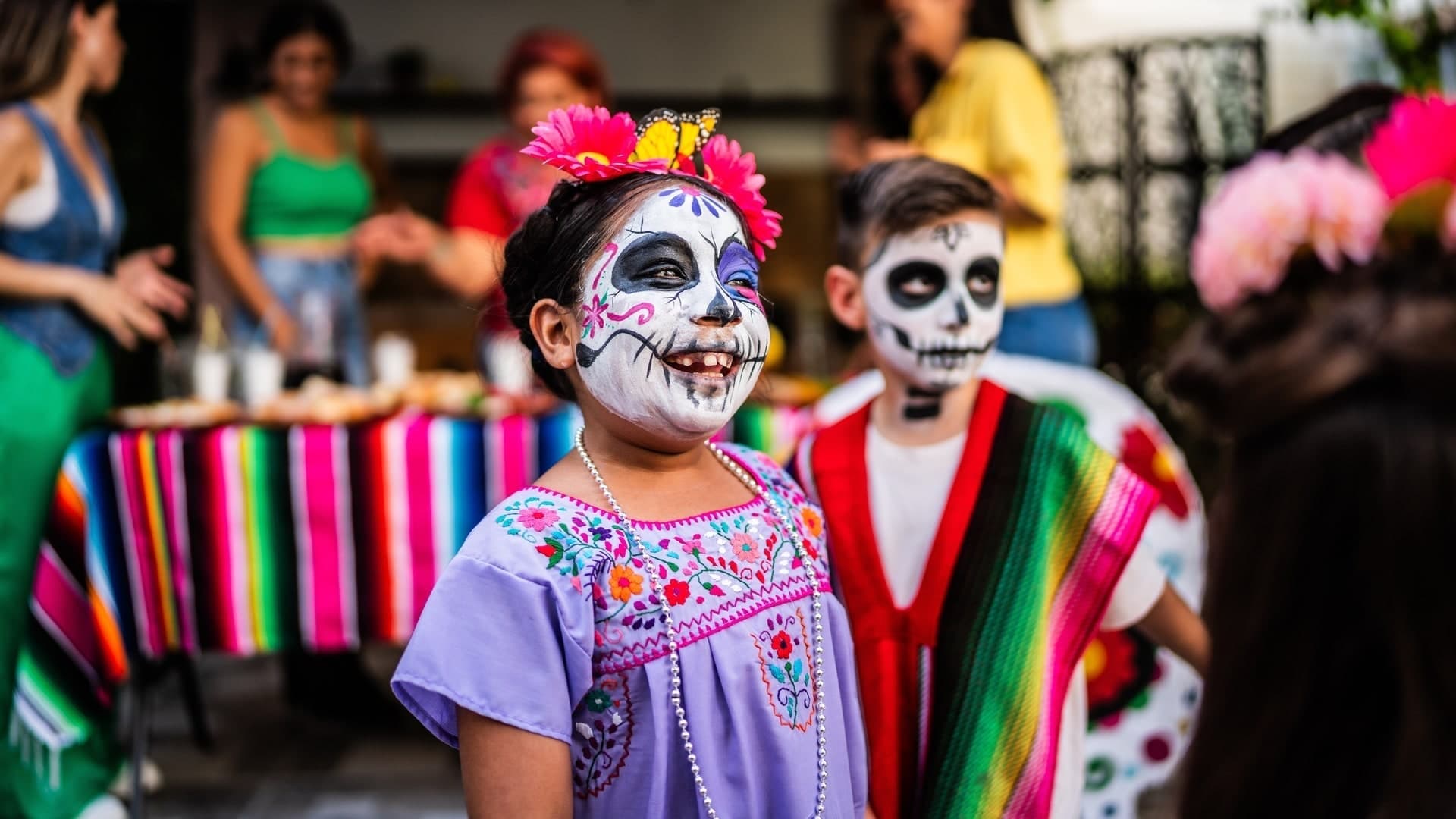
Most of us are taught to think of death as separation — a door that closes, a silence that follows. We honor the dead, yes, but often in whispers, in formal clothes, in a single afternoon before returning to ordinary life as though love must shrink to fit inside a program.
What if remembering could be colorful, communal, and even joyful?
Mexican Día de los Muertos traditions, rooted in indigenous memory and Catholic calendar, offer something radical in its warmth: a multi-day invitation to build altars, tell stories, share food, and laugh with the dead as honored guests. You don't need to be Mexican or Catholic to be moved by that — or to draw from it when imagining a farewell that keeps love visible, not hidden.
Here are some of the most beautiful ideas from Día de los Muertos, and how you might make them your own.
1. Build an Altar That Tells a Whole Life
Ofrendas — altars layered with photographs, candles, marigolds, food, and objects the person loved — are not museum displays. They are conversations. Each item says: I know who you were. I remember what made you laugh. Your preferences still matter here.
Many Western memorials center a single portrait and a floral arrangement. Beautiful, but sometimes generic.
To borrow: Create a memory table with specific objects — a fishing lure, a knitting needle, a concert ticket, a team scarf. When pre-planning, list items you'd like displayed and stories behind them. Ask family to add their own contributions. A service becomes personal when the evidence of a life fills the room.
2. Use Color and Beauty Without Apology
Marigolds, papel picado, painted skulls — Día de los Muertos is visually unmistakable. Death is not dressed only in black. Beauty is not denial of loss; it can be defiance against despair.
Somber aesthetics have their place. But some lives were loud, bright, playful, irreverent. A ceremony should have room for that truth.
To borrow: Choose colors, flowers, and décor that reflect the person — not default funeral palette unless they would have chosen it themselves. If someone loved sunflowers, let sunflowers lead. If they never wore black, don't drape their memory in it. Pre-planners can specify visual tone as clearly as music or readings.
3. Feed the Dead — and Feed Each Other
Altars hold favorite foods and drinks: tamales, pan de muerto, tequila, candy, coffee — whatever the person enjoyed. Later, families eat together, sharing stories across generations. The meal is continuity: the dead are included symbolically; the living are nourished literally.
Reception food at Western services is often generic. The opportunity to taste someone's world is missed.
To borrow: Center a memorial meal on the person's favorites. Include a toast with their drink of choice. Leave a menu in your plan — not as instruction for performance, but as invitation to remember through senses. Smell and taste unlock memory faster than speeches sometimes can.
4. Tell Stories Out Loud — the Funny Ones Too
Día de los Muertos gatherings thrive on anecdote. Children learn ancestors through narrative. Humor sits beside tears without scandal. The message is clear: this person was real, complicated, beloved, imperfect, unforgettable.
Eulogies often aim for uniform reverence. That can flatten a life.
To borrow: Invite multiple voices — not only polished speeches, but short, specific stories. Encourage honesty: the mishaps, the quirks, the phrases they repeated. When pre-planning, name people you'd like to speak, or themes you'd like covered. A life remembered accurately often feels more comforting than a life remembered politely.
5. Make Art and Craft Part of Remembrance
Sugar skulls, painted faces, handmade decorations — creating together is part of the holiday. Hands busy, grief has somewhere to go. Community forms around making, not only mourning.
Passive attendance dominates many modern services. Creation is optional, but powerful.
To borrow: Set up a table where guests write memories on paper flags, decorate a shared frame, or add messages to a book. Provide supplies. For families planning ahead, suggest a collaborative project — a quilt of written notes, a playlist built together, a photo wall assembled over the week of mourning. Doing heals differently than watching.
6. Mark Time as a Cycle, Not a Full Stop
Día de los Muertos returns every year. The dead are not remembered once and filed away. The calendar itself argues that love outlasts a single ceremony.
You don't need Mexican tradition to want the same rhythm — only the willingness to treat remembrance as ongoing relationship.
To borrow: Schedule annual gatherings in your plan. Specify who might host, what meal might repeat, what song might open the evening. Tell loved ones explicitly: I want to be remembered again next year. Annual ritual reduces the loneliness of grief by making memory communal property, not private burden.
The Real Takeaway
Día de los Muertos persists because it refuses the lie that death ends relationship. It says: love stays active. Memory can be vibrant. Community can carry what one heart cannot.
The deeper question behind it is simple and difficult: What if honoring someone could feel like welcoming them back, even briefly — through food, color, story, and shared making?
So keep exploring. Borrow freely and thoughtfully. Let curiosity lead you toward a farewell that keeps love visible long after the service ends.